

Table of Contents
- How Bulk Purchasing Reduces Per-Unit Cost
- How to Calculate Unit Price and Compare Real Savings
- Best Household Items to Buy in Bulk
- When Is Bulk Buying a Waste of Money
- Storage, Shelf Life, and Food Waste Considerations
- Membership Fees and Hidden Costs
- Bulk Buying as an Inflation Hedge
- Conclusion
Last Updated: August 5, 2026
How Bulk Purchasing Reduces Per-Unit Cost
Buying household items in bulk fundamentally changes the economics of your household budget. When you purchase larger quantities, you're paying a lower price per unit, the actual cost of a single item when you divide the total price by the number of units. This is where bulk household items save money becomes tangible rather than theoretical.
The math is straightforward. A single roll of toilet paper might cost $1.50 at a convenience store. That same roll costs $0.35 when you buy a 36-pack from a warehouse club or bulk retailer. Over a year, a family using one roll every two days saves hundreds of dollars simply by shifting where they buy. The difference compounds across dozens of household staples: paper towels, cleaning supplies, laundry detergent, trash bags, and pantry basics.
This principle works because manufacturers and distributors save money on packaging, marketing, and per-unit handling when they sell in bulk. Those savings get passed to you. At The Daily Drop by Ed Rivera, we recognize that smart shoppers understand this equation, which is why we offer bulk pricing on many of our products. You're not just buying more; you're buying smarter.
The real advantage emerges when you stack bulk purchases across multiple categories. A household spending $200 monthly on essentials might reduce that to $140 through strategic bulk buying. That's $720 per year, real money that stays in your pocket.
How to Calculate Unit Price and Compare Real Savings
Understanding how to calculate unit price is the skill that separates intentional bulk buyers from impulse purchasers who end up with closets full of items they'll never use.
Unit price is the cost per individual unit, per ounce, per roll, per pound, or per count, depending on the product. Most retailers now display this on shelf labels, but calculating it yourself ensures accuracy and lets you compare across brands and pack sizes.
The formula is simple: divide the total price by the number of units.
For example: A 24-pack of canned beans costs $12. Divide $12 by 24 cans. Unit price: $0.50 per can. A 12-pack of the same brand costs $7. That's $0.58 per can. The larger pack saves you $0.08 per can, which seems small until you buy 200 cans per year and realize you've saved $16 on just one item.
Use this framework when comparing options:
| Product | Pack Size | Total Price | Unit Price | Annual Savings vs. Single Unit |
|---|---|---|---|---|
| Paper Towels (Brand A) | 12 rolls | $18 | $1.50/roll | $120 (vs. $1.80/roll retail) |
| Paper Towels (Brand B) | 24 rolls | $32 | $1.33/roll | $188 (vs. $1.80/roll retail) |
| Laundry Detergent | 55 gal drum | $263 | $0.048/oz | $420+ (vs. standard bottles) |
| Cleaning Spray | 6-pack | $15 | $2.50/bottle | $45 (vs. $3.50/bottle retail) |
When you're standing in a warehouse club or browsing bulk retailers online, pull out your phone and calculate unit prices on items you actually use. Compare against what you'd pay at regular retail. Most bulk purchases show savings of 20-40% per unit, but some items, particularly store brands and seasonal deals, offer even steeper discounts.
One common mistake: comparing bulk prices only to convenience store prices. That's not fair. Compare bulk prices to what you'd actually pay at your regular grocery store or target retailer. The savings might be less dramatic than you think, but they're usually still significant enough to justify the bulk purchase.
Best Household Items to Buy in Bulk
Not everything benefits equally from bulk purchasing. Some items have natural advantages for bulk buying; others create waste or storage problems that erase the savings.
Pantry Staples and Non-Perishables
Non-perishable foods with long shelf lives are the foundation of smart bulk buying. Canned goods, pasta, rice, beans, flour, sugar, cooking oil, and spices all store reliably for months or years when kept in cool, dry conditions. These items have predictable usage rates, a household using pasta twice weekly will reliably consume a bulk purchase before expiration.
Dry goods are ideal because they require minimal storage infrastructure. A closet shelf or pantry space handles most of them. Unlike frozen items, they don't demand freezer real estate or special equipment.
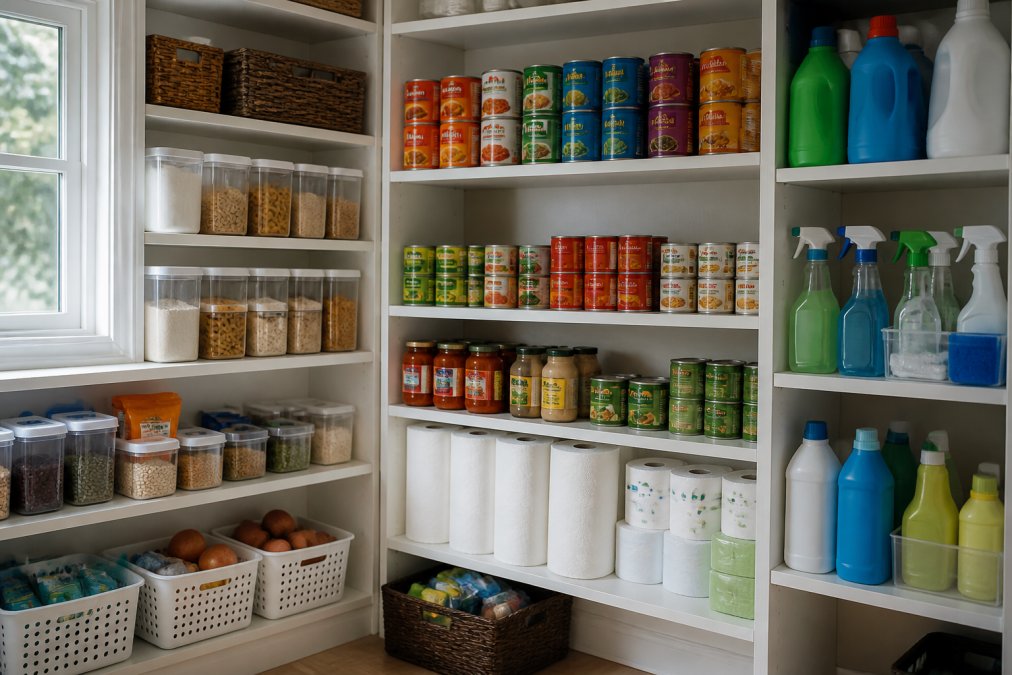
Coffee, tea, and condiments also belong in your bulk rotation if your household uses them regularly. A family that goes through a jar of peanut butter every three weeks should absolutely buy in bulk. A household that uses peanut butter once a month shouldn't, they'll watch it expire before finishing.
Breakfast cereals, oats, and baking ingredients round out the pantry list. The key question for any pantry item: will your household consume this before it expires? If yes, buy in bulk. If no, skip it.
Paper Products and Cleaning Supplies
Paper towels, toilet paper, facial tissues, and napkins are the easiest bulk wins. These items never expire, take up manageable storage space, and every household uses them constantly. A 36-pack of toilet paper that costs $19.67 at a warehouse club represents genuine savings compared to buying individual rolls at retail.
Cleaning supplies, all-purpose sprays, disinfectants, floor cleaners, and laundry detergent, also benefit from bulk purchasing. A 55-gallon drum of commercial laundry detergent, while requiring significant upfront investment and storage space, delivers extraordinary per-unit savings for large families or households with heavy laundry loads.
Dishwasher pods, trash bags, and aluminum foil are reliable bulk purchases. These items have long shelf lives, consistent usage patterns, and clear cost advantages at scale.
The one caveat: specialty cleaning products you use occasionally shouldn't be bought in bulk. A household using a particular carpet cleaner twice yearly will watch it sit unused. Stick to everyday cleaners for bulk purchases.
When Is Bulk Buying a Waste of Money
Bulk purchasing isn't universally smart. Understanding when bulk buying actually costs you money is as important as knowing when it saves you.
Perishable foods with short shelf lives are the biggest trap. Fresh produce, dairy, meat, and prepared foods deteriorate quickly. Buying a bulk package of chicken breasts that you can't freeze before they spoil defeats the purpose. The savings evaporate when you throw away half the package.
Items your household doesn't use regularly create waste disguised as savings. Buying bulk specialty sauces, exotic spices, or niche products you use once yearly means watching them expire on your shelf. The $3 savings on purchase price disappears when you discard the expired item.
Trendy or seasonal products are risky in bulk. Fashion items, holiday decorations, or products tied to passing fads might sit unused. Bulk purchasing assumes stable, predictable demand, which doesn't exist for items whose popularity fluctuates.
Expensive items with uncertain quality shouldn't be purchased in bulk until you've tested them. A bulk purchase of an unfamiliar brand of paper towels might leave you with 24 rolls of inferior product. Buy a small quantity first, confirm quality, then commit to bulk.
Single-person households often find bulk purchasing counterproductive. Storage space constraints and slower consumption rates mean items expire before use. A single person buying a 36-pack of toilet paper makes sense; a single person buying bulk fresh produce usually doesn't.
The psychological spending trigger here is real: bulk prices create an illusion of savings that can override rational decision-making. A $40 bulk purchase feels like a bargain until you realize you're buying items you wouldn't normally purchase just because they're discounted. That's not savings, that's overspending on a larger scale.
Storage, Shelf Life, and Food Waste Considerations
The hidden cost of bulk purchasing is storage and waste management. Savings evaporate when you lack adequate space or when items expire before use.
Managing Expiration Dates and Perishable Goods
Expiration dates matter more with bulk purchases because you're storing larger quantities for longer periods. A single package of frozen vegetables might last three months; a bulk purchase could sit for six months or longer.
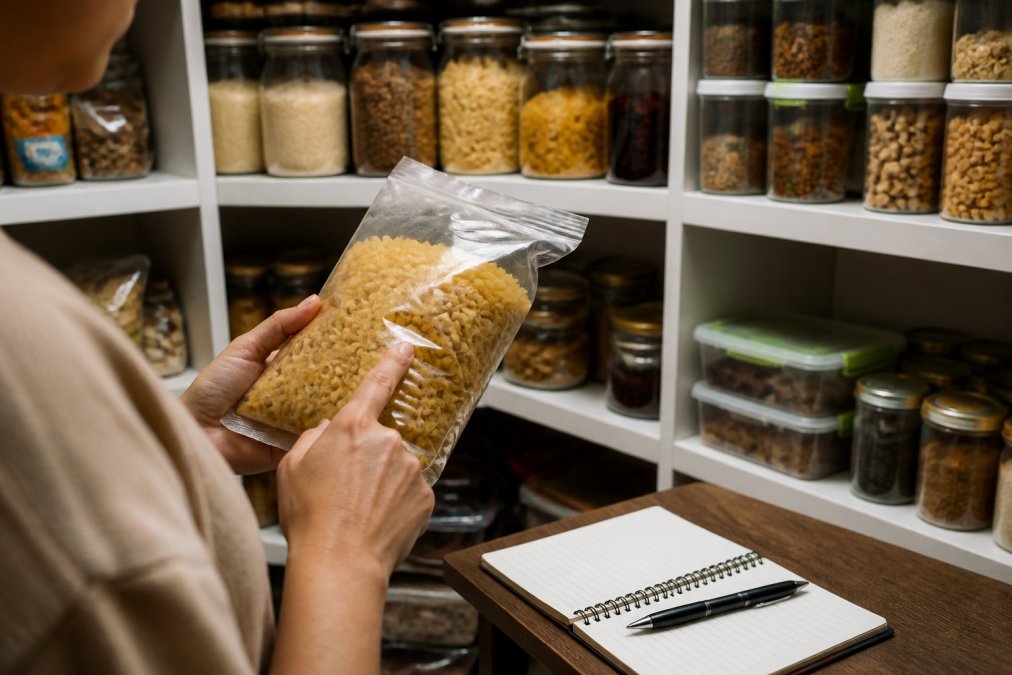
Non-perishable items like canned goods, pasta, and rice have effectively indefinite shelf lives when stored properly. Canned goods remain safe for years beyond their printed dates when stored in cool, dry conditions. Pasta and rice last for years. These items are ideal for bulk purchasing.
Frozen items present a middle ground. Properly frozen meat, vegetables, and prepared foods maintain quality for months. A household with adequate freezer space can confidently buy bulk frozen items. A household with limited freezer capacity should be selective.
The actual risk comes with items that appear shelf-stable but degrade faster than expected. Oils can become rancid. Flour and baking ingredients attract pests. Spices lose potency. These items have longer shelf lives than fresh foods but shorter ones than truly stable non-perishables.
A common approach is using the FIFO method, First In, First Out. Rotate older items to the front and newer purchases to the back. This ensures older stock gets used before expiration.
Inventory Management and Digital Tracking
Managing bulk inventory prevents waste and helps you avoid duplicate purchases. Without tracking, you might buy items you already have, leading to overstocking and waste.
Digital inventory tracking has become practical for households serious about bulk purchasing. Apps designed for pantry management let you photograph items, log quantities, and set expiration reminders. This transforms bulk purchasing from a guessing game into a data-driven practice.
A simple spreadsheet works too: list items, quantities, purchase dates, and expected expiration dates. Update it when you use items. This takes 10 minutes monthly but prevents the waste that erases bulk savings.
The psychological benefit of tracking is underrated. Knowing exactly what you have discourages impulse purchases and reduces the "I didn't know I had this" waste that plagues bulk buyers.
Membership Fees and Hidden Costs
Warehouse clubs and bulk retailers charge membership fees that reduce your effective savings. Understanding these costs prevents the common mistake of assuming all bulk purchases are profitable.
Costco Wholesale membership starts at $60 annually for a Gold Star Membership. Sam's Club charges $50 yearly for a Club Membership. These fees aren't trivial for households with tight budgets.
To break even on a $60 membership, you need to save at least $60 annually through bulk purchases. A household buying 10 items monthly at 25% savings breaks even easily. A household buying 3 items monthly might not.
Calculate your potential savings honestly. If you buy toilet paper, paper towels, and laundry detergent in bulk, you're probably saving $200+ annually, making the membership fee negligible. If you're buying one or two items occasionally, the membership might not pay for itself.
Some retailers offer membership-free bulk purchasing. Boxed.com provides bulk shopping without a mandatory membership fee, though it offers a paid tier for additional benefits. Amazon Subscribe & Save works without membership for some items. Walmart and Target sell bulk quantities of their private labels without membership requirements.
The Daily Drop by Ed Rivera offers bulk pricing on many products without requiring membership, making it accessible for shoppers testing whether bulk purchasing fits their household.
Bulk Buying as an Inflation Hedge
An often-overlooked advantage of bulk purchasing is inflation protection. When you buy essential items in advance, you lock in current prices and reduce exposure to future price increases.
This isn't speculation, it's practical economics. A household that buys a year's supply of laundry detergent at today's prices protects itself against next year's price increases. If detergent prices rise 8% annually (a typical rate for household essentials), buying in bulk saves money beyond the standard per-unit discount.
This strategy works particularly well during periods of economic uncertainty or when commodity prices are volatile. Buying pantry staples when prices are stable insulates your budget from future increases.
The limitation is obvious: this only works for items with genuine long shelf lives. Buying a year's supply of perishable items doesn't hedge inflation, it creates waste. But buying a year's supply of non-perishables, paper products, and shelf-stable cleaning supplies is rational financial planning, not hoarding.
Households with limited budgets often find this advantage most valuable. A family living paycheck-to-paycheck might not have room in this month's budget for a bulk purchase, but bulk buying when cash flow permits creates a buffer against future price increases that would otherwise strain their budget.
Bulk purchasing is fundamentally about understanding your household's consumption patterns and being intentional about where you shop. The Daily Drop by Ed Rivera makes this easier by offering curated deals and bulk pricing on everyday essentials, no membership required, just real savings on products your household actually uses. The key is calculating unit prices, tracking inventory, and buying only items you'll consume before expiration. When you do those three things consistently, bulk household items save money becomes less a marketing claim and more a documented fact of your household budget.
Frequently Asked Questions
Why does buying bulk household items save money?
Bulk purchasing reduces per-unit cost because manufacturers and retailers spread overhead across larger quantities. When you buy a 36-pack of toilet paper instead of a 4-pack, the cost per roll drops significantly. Warehouse clubs and bulk retailers negotiate lower wholesale prices, passing savings to members. The economies of scale apply across packaging, shipping, and handling, fewer individual boxes mean lower per-unit expenses.
How do you calculate unit price when comparing bulk household items?
Divide the total price by the quantity to find the cost per unit. For example, if a 100-ounce detergent bottle costs $8, divide $8 by 100 to get $0.08 per ounce. Compare this against smaller sizes to see actual savings. Many retailers display unit pricing on shelf labels. Use this method for any item: paper products, cleaning supplies, food staples. Always compare the same unit of measurement (ounces, count, volume) across products to ensure accurate comparison.
What are the best household items to buy in bulk to save money?
Non-perishable pantry staples deliver the highest savings: flour, sugar, rice, pasta, canned goods, and cooking oils. Paper products (toilet paper, paper towels, napkins) offer consistent discounts in bulk. Cleaning supplies like detergent, all-purpose cleaner, and dish soap rarely expire and see significant per-unit savings. Household essentials such as trash bags, aluminum foil, and storage bags are ideal bulk purchases. Avoid perishable items unless you have proper storage and consumption habits to prevent waste.
When is bulk buying a waste of money?
Bulk buying wastes money when items expire before use, especially perishable goods like fresh produce, dairy, or refrigerated items. If your household doesn't consume the quantity before expiration, the savings evaporate. Specialty or rarely-used items with slow turnover create storage waste. High-cost membership fees may outweigh savings if you buy infrequently. Impulse bulk purchases of items you don't regularly need defeat the purpose. Track your actual consumption patterns before committing to large quantities.
This article was written using GrandRanker