

Table of Contents
- Why Saving on Electronics Matters
- The Best Time of Year to Buy Electronics
- Refurbished vs New Electronics: Understanding Your Options
- Price Tracking Tools and Browser Extensions
- Electronics Price Matching Policies Explained
- Trading In Old Electronics for Credit
- Are Extended Warranties Worth It?
- Additional Strategies to Cut Electronics Costs
Last Updated: August 8, 2026
Why Saving on Electronics Matters
Consumer electronics represent significant household expenses, yet you don't have to accept sticker prices as final. Learning how to save money on electronics opens up real purchasing power without sacrificing quality or functionality.
At The Daily Drop by Ed Rivera, we understand that smart shoppers want value without compromise. Our mission is simple: help you find quality products at prices that make sense. Refurbished devices, seasonal timing, price tracking, trade-in programs, and strategic deal hunting can collectively save you hundreds or even thousands of dollars annually.
This guide covers seven proven methods to reduce your electronics spending. Whether you're upgrading a single device or outfitting your entire home, these approaches will help you make smarter purchasing decisions.
The Best Time of Year to Buy Electronics
Timing your electronics purchase strategically can unlock significant discounts. Black Friday and Cyber Monday in November represent the most aggressive discount periods, with discounts often reaching 30-50% off regular pricing.
Back-to-school season in August offers another prime opportunity, particularly for laptops, tablets, and educational software. Post-holiday clearance in January and February clears aging inventory as retailers make room for newer models. Summer sales events in June and July, often tied to Amazon Prime Day, feature competitive pricing across consumer electronics.
Product release cycles matter too. When manufacturers announce new models, previous-generation devices drop in price within weeks as retailers discount old stock. Plan your purchases around these cycles when possible. The worst time to buy is typically right after a major product announcement or during the holiday shopping rush before Black Friday begins.
Refurbished vs New Electronics: Understanding Your Options
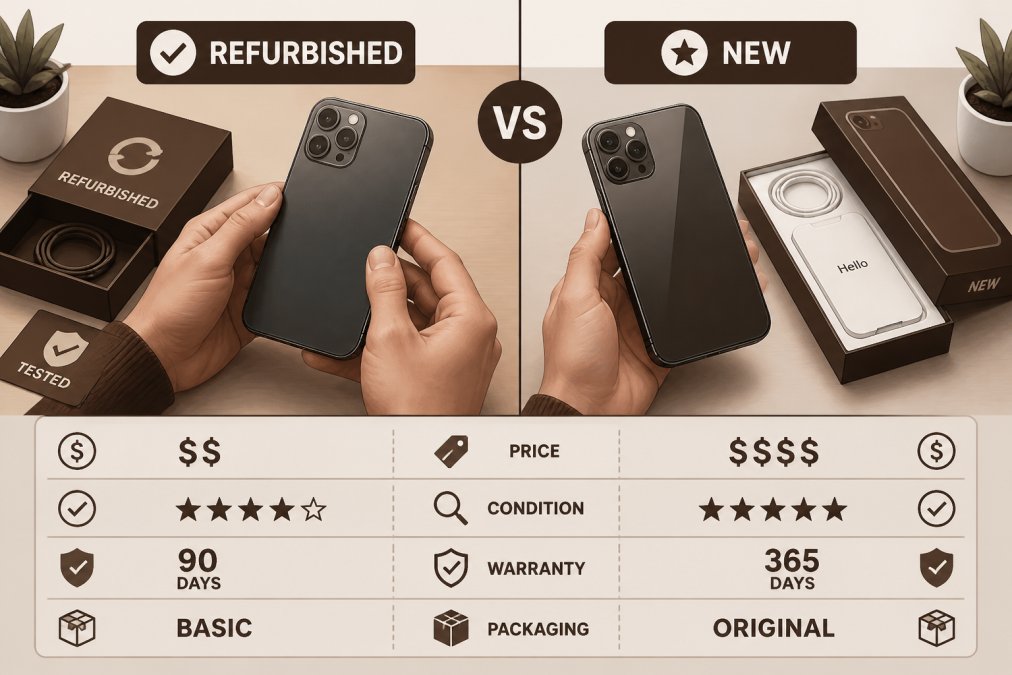
The choice between refurbished and new electronics represents one of the most impactful decisions for saving money. Refurbished electronics are devices that have been returned, repaired, and restored to working condition by the manufacturer or an authorized refurbishment center. The price difference can range from 20-40%, making refurbished options attractive for budget-conscious shoppers.
What 'Certified Refurbished' Actually Means
Certified Refurbished devices have been through rigorous inspection and restoration by the manufacturer or authorized facility. These devices are tested to meet original performance specifications, cleaned, repackaged, and come with a warranty. The certification process includes full functionality testing, replacement of worn components, data wiping, and repackaging in new or like-new condition.
Non-certified refurbished or "used" electronics offer no such guarantees and are sold as-is by third-party sellers. When shopping for refurbished electronics, always verify the certification source. Manufacturer-certified refurbished (Apple Certified, Dell Certified, etc.) carries the most credibility and protection.
Warranty and Insurance Implications
Refurbished electronics often come with shorter warranties than new devices, typically 90 days to one year compared to one year or longer for new products. Manufacturer warranties on refurbished devices are generally enforceable and legitimate. A refurbished device with a 90-day manufacturer warranty might benefit from extended coverage, since baseline protection is shorter.
Check warranty details before purchasing any refurbished device. Know exactly what's covered, how long coverage lasts, and what the claim process requires.
Price Tracking Tools and Browser Extensions
Price tracking tools show historical pricing patterns and alert you to drops, helping you time purchases strategically. Browser extensions like CamelCamelCamel display price history graphs directly on product pages, showing whether the current price represents a genuine discount or an inflated baseline.
Setting up price alerts for items you're considering creates passive savings. Rather than checking prices manually, the tool monitors for you and notifies you when prices hit your target. The most effective strategy combines price tracking with seasonal timing: use tools to monitor prices leading up to major sales events, then compare current prices against historical lows.
Electronics Price Matching Policies Explained
Electronics price matching policies allow you to purchase at a competitor's lower price, even if you're shopping at a different retailer. Major retailers like Best Buy, Target, and Costco maintain varying price match policies. Best Buy matches prices from online competitors and applies adjustments within 15 days of purchase.
The mechanics are straightforward: you provide proof of a lower price at a competing retailer, and the store adjusts your purchase price to match. Proof typically means a website screenshot or printed ad. Price matching works best for items with clear product identification numbers (SKUs), which electronics have.
The real value emerges when you combine price matching with other strategies. Shop for the best price across retailers, then use price matching at your preferred store to secure that lowest price while earning loyalty rewards.
Trading In Old Electronics for Credit
Upgrading electronics doesn't require discarding your old devices. Trade-in programs convert old equipment into purchase credit, reducing the net cost of new electronics significantly.

Most major electronics retailers and manufacturers operate trade-in programs. Apple's trade-in program accepts iPhones, iPads, Macs, and watches in exchange for Apple Store credit. Best Buy accepts trade-ins for hundreds of electronics categories.
Trade-in values depend on device condition, age, and model. A two-year-old smartphone in excellent condition might trade for 30-40% of its original retail price. Manufacturer trade-in programs typically offer higher values than third-party retailers. Trade-in programs work best when purchasing from the same retailer or manufacturer ecosystem.
This strategy compounds savings when combined with other approaches. Buy during a sales event, apply a trade-in credit, and use a discount code, the cumulative effect can reduce your net cost by 40-50% compared to regular pricing.
Are Extended Warranties Worth It?
Extended warranties make sense for expensive devices you rely on heavily and plan to keep for years. They make less sense for inexpensive items or devices you'll replace within a year or two.
For high-value electronics like laptops or premium smartphones, extended warranties reduce financial risk. If your laptop fails after the manufacturer's one-year warranty expires, repair costs can exceed $500-1,000. An extended warranty costing $150-300 protects against that risk.
Your usage patterns matter significantly. If you're prone to accidental damage or use devices in harsh environments, extended coverage provides real value. Manufacturer warranties typically cover defects but not accidental damage. Extended warranties vary, some cover drops and spills; others cover only defects. Read specific coverage details before purchasing.
For refurbished electronics with shorter baseline warranties, extended coverage becomes more attractive.
Additional Strategies to Cut Electronics Costs
Discount Codes and Cashback Programs
Discount codes reduce prices at checkout without requiring sales events. Cashback programs return a percentage of your purchase as credit or cash, typically 1-5% depending on the retailer.
Stacking discount codes with cashback programs multiplies savings. A 15% discount code combined with 3% cashback reduces your effective cost by roughly 18%. Sign up for retailer newsletters to receive exclusive discount codes. Cashback programs like Rakuten and Honey monitor your purchases and apply rewards automatically.
Open-Box and Clearance Deals
Open-box electronics are items customers purchased, opened, and returned, often unused or minimally used. Retailers sell these at 10-30% discounts below regular pricing. Clearance deals emerge when retailers need to move aging inventory, triggering 40-60% discounts on remaining stock.
The risk with open-box and clearance items is limited or no warranty coverage. Verify warranty terms before purchasing. Open-box items in excellent condition with full warranty coverage represent strong value.
Avoiding Impulse Purchases
Impulse buying inflates electronics spending more than any other factor. Implement a 48-hour waiting period before purchasing any electronics. This simple rule eliminates impulse decisions driven by marketing hype or limited-time pressure.
Create a wishlist of electronics you're considering. Track prices over time, set price alerts, and wait for sales events. Beware of artificial urgency tactics, most electronics remain available at similar prices through multiple sales events.
Saving money on electronics requires strategy, but the payoff is substantial. The Daily Drop by Ed Rivera makes finding great deals easier by curating quality products at competitive prices across every category. Whether you're timing purchases around seasonal sales, evaluating refurbished options, or tracking prices strategically, these approaches work together to reduce your electronics spending without sacrificing quality. Start with the strategies that fit your situation, combine them for maximum impact, and check back regularly as new deals emerge. Your budget will thank you.
Frequently Asked Questions
What month are electronics the cheapest?
Electronics typically drop in price during Black Friday and Cyber Monday (late November), after-holiday sales (January), back-to-school season (August), and around major shopping events like Prime Day (July). Tax-free holidays in certain states also offer savings windows. However, seasonal timing varies by product category, new phone models drop prices when updated versions launch, while older inventory clears year-round. Check price history tools to identify the best timing for your specific device.
Is it better to buy refurbished or new electronics?
Refurbished electronics cost 20-40% less than new and are tested to work like new, making them ideal for budget-conscious buyers. However, new electronics come with full manufacturer warranties and the latest features. Certified refurbished items offer a middle ground with warranty protection and quality assurance. Your choice depends on budget, warranty needs, and whether you need the latest model. For older product lines, refurbished options provide excellent value without sacrificing reliability.
How do electronics price matching policies work?
Major US retailers like Best Buy, Walmart, and Target price match competitor prices within 15 days of purchase. Most require you to show proof of the lower price (receipt, screenshot, or website link) at the point of sale or during return. Some retailers exclude clearance, open-box, or refurbished items from price matching. Online prices may not always qualify for in-store matching. Always verify the specific retailer's policy before shopping, as terms vary by store and product category.
Are extended warranties on electronics worth buying?
Extended warranties typically cost 10-25% of the device price and cover accidental damage and mechanical failures beyond the manufacturer's warranty. They're most valuable for frequently-used items like laptops or smartphones, or if you're accident-prone. However, many electronics already have solid build quality and repairability, making extended warranties unnecessary. Check your credit card's purchase protection first, many cards extend warranty coverage automatically. For budget-conscious shoppers, skipping extended warranties and using savings for future upgrades often makes more financial sense.
This article was written using GrandRanker