

Table of Contents
- Best DIY Car Mods for Performance: What Actually Works
- How to Install a Cold Air Intake for Improved Airflow
- Exhaust System and Headers: Optimizing Flow
- How to Improve Throttle Response Without Breaking the Bank
- Best Car Gadgets Under 50 Dollars 2026 for Real Gains
- Suspension and Handling Upgrades
- Brake System Enhancements for Safety and Control
- ECU Tuning and Engine Management
Last Updated: August 28, 2026
Best DIY Car Mods for Performance: What Actually Works
Looking to squeeze more power from your engine without a complete rebuild? The best diy car mods for performance deliver real gains when done right. But here's what most guides miss: not every modification makes sense for every driver, and some can void your warranty or fail emissions testing.
At The Daily Drop by Ed Rivera, we're all about bringing you great products at prices that make sense. The modifications that work best balance three things: measurable performance gains, reliability impact, and cost-to-horsepower ratio. This guide covers the best diy car mods for performance that beginners can actually install, plus the ones worth leaving to professionals.
The Performance Hierarchy: Start Here
Not all performance modifications are created equal. Think of upgrades in layers: maintenance (clean fuel injectors, fresh spark plugs, proper tire pressure), bolt-on modifications (cold air intakes, exhaust systems, sway bars), and engine management tuning. Most beginners chase dramatic mods first, but real gains come from a methodical approach. A cold air intake adds horsepower. A full suspension overhaul transforms handling. Know what you're paying for before you commit.
Legal and Warranty Considerations
Many modifications affect emissions compliance. Cold air intakes and exhaust systems that remove catalytic converters may be illegal for street use in most areas (the EPA). Check your local emissions regulations before installing any mod.
Aftermarket modifications can void powertrain coverage, meaning if your engine fails, the manufacturer won't cover repairs. Know your dealer's policy before you start. The safest approach: reversible modifications like cold air intakes, brake pads, and sway bars are easy to remove if needed. Permanent changes like exhaust welding or ECU remapping are harder to undo.
How to Install a Cold Air Intake for Improved Airflow
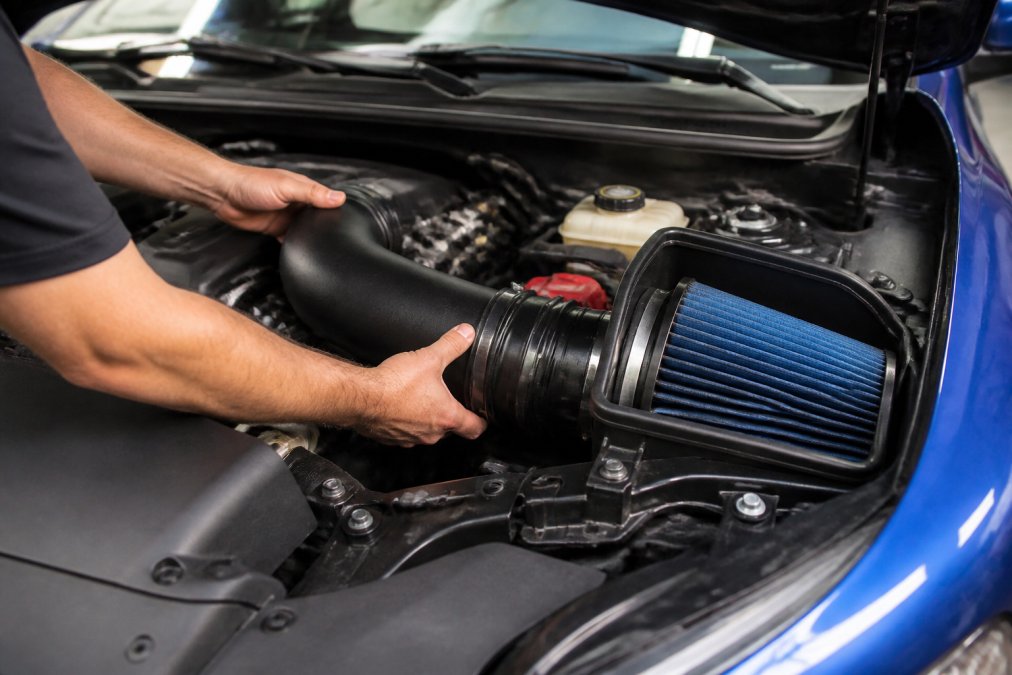
A cold air intake replaces your factory air filter housing with a system that draws cooler, denser air into the engine. Cooler air contains more oxygen, which means better combustion and more horsepower. Most setups add horsepower and improve throttle response noticeably. Installation is one of the most beginner-friendly performance modifications.
What You'll Need Before Starting
You'll need basic hand tools: a socket set (10mm-15mm), screwdrivers (Phillips and flat-head), and pliers. Most cold air intake kits come with necessary hardware. Read the kit instructions before opening any boxes, as different vehicles require different approaches. Clear your workspace and have a clean rag nearby.
Step-by-Step Installation Process
Most installations take 45 minutes to two hours.
Step 1: Disconnect the Battery (5 minutes) Disconnect the negative battery terminal using a 10mm socket.
Step 2: Remove the Factory Air Box (10-15 minutes) Locate the factory air intake housing and unclip it. Disconnect the mass airflow sensor (MAF) by gently unplugging its connector. Remove the air intake hose from the throttle body.
Step 3: Install the New Intake Tube (15-20 minutes) Position the new intake tube according to kit instructions. Bolt the bracket to the engine and connect the new intake hose to the throttle body, securing it with a hose clamp.
Step 4: Mount the Air Filter Housing (10-15 minutes) Position the new filter housing as specified by your kit and secure it with provided brackets.
Step 5: Reconnect Everything (5-10 minutes) Plug in the MAF sensor connector and reconnect the battery terminal. Double-check all hose clamps are tight.
Step 6: Test (5 minutes) Start the engine and listen for unusual sounds. Accelerate gently and feel for improved throttle response.
Common Installation Mistakes to Avoid
The most common mistake is not securing hose clamps properly, which creates vacuum leaks and causes rough idle. Tighten every clamp until snug, then give it a quarter-turn more. Don't over-tighten bolts, which strips threads. Route the intake tube correctly, avoiding sharp bends and hot engine components. Always disconnect the battery first, and test drive gently for the first 10 minutes.
Exhaust System and Headers: Optimizing Flow
Your factory exhaust system is designed for emissions compliance and quiet operation, not performance. A performance exhaust optimizes flow, reducing backpressure and allowing the engine to breathe easier.
Exhaust upgrades come in two types: cat-back systems and full exhaust systems with headers. Cat-back systems replace everything from the catalytic converter back. Headers replace the factory manifolds that connect directly to the engine. A quality cat-back exhaust typically adds horsepower and improves sound dramatically.
A cat-back system adds horsepower. The math matters.
How to Improve Throttle Response Without Breaking the Bank
Throttle response is how quickly your engine accelerates when you press the gas pedal. Several modifications improve throttle response without major expense: a cold air intake, high-performance spark plugs, and lighter intake components.
The cheapest improvement is cleaning your fuel injectors. Carbon buildup reduces fuel atomization, which delays combustion. A fuel injector cleaner often delivers noticeable improvement within a tank of gas.
Upgrading to iridium spark plugs improves ignition reliability and combustion speed (peer-reviewed research). Most drivers notice improved throttle response and slightly better fuel economy.
Best Car Gadgets Under 50 Dollars 2026 for Real Gains
Several best car gadgets under 50 dollars 2026 deliver real improvements when selected strategically.
High-Performance Spark Plugs
High-performance spark plugs improve combustion speed. You'll notice improved throttle response, particularly in the first 2,000 RPM range. Installation takes 20-30 minutes and is one of the easiest upgrades you can do.
Short-Throw Shifters
A short-throw shifter reduces the distance your gear shift travels, making shifting faster and more engaging. Installation requires removing your shift knob and interior trim, then replacing the shift linkage. This mod makes the biggest difference for manual transmission cars.
Suspension and Handling Upgrades
Suspension modifications transform how your car handles. Cornering feels planted, body roll decreases, and braking feels more controlled.
Sway Bars and Coilovers
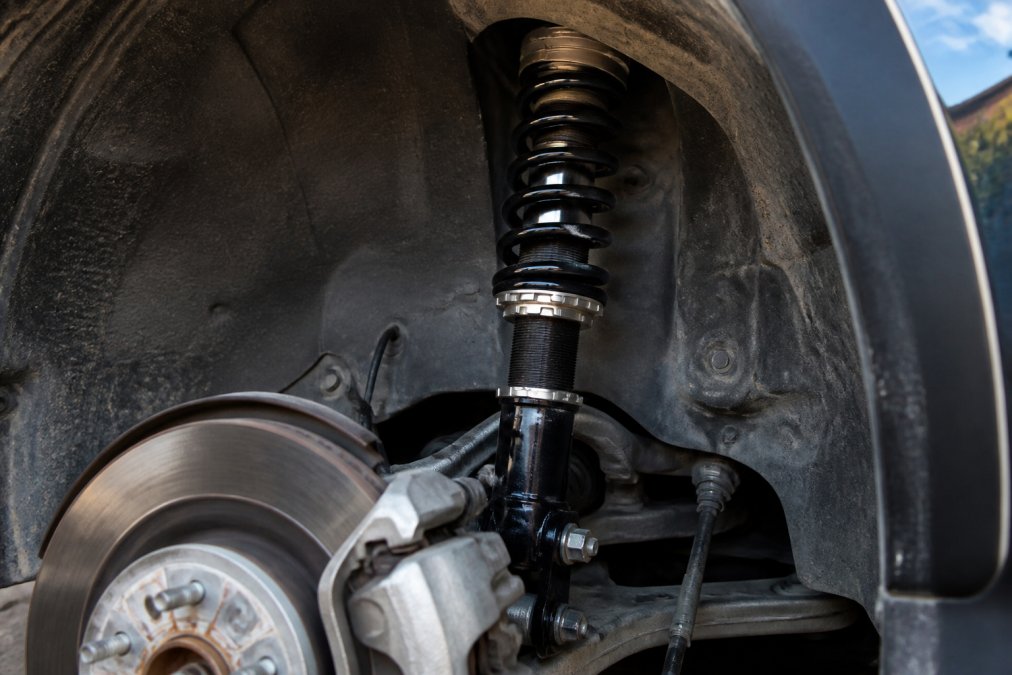
A sway bar connects the left and right wheels, reducing body roll during cornering. Upgrading to a thicker sway bar stiffens the suspension and improves handling. Sway bars offer quick bolt-on installation in 30-45 minutes with basic tools.
Coilovers replace your factory shocks and springs with adjustable units. This dramatically improves handling but is expensive and requires professional alignment afterward. Start with sway bars if you want better handling on a budget.
Lightweight Wheels for Weight Reduction
Lighter wheels reduce unsprung weight, improving acceleration, braking, and handling. Wheel upgrades improve acceleration slightly and reduce braking distance marginally.
Brake System Enhancements for Safety and Control
Brakes are where performance matters most. Better brakes mean shorter stopping distances, reduced fade during hard driving, and more confidence in emergency situations.
Performance brake pads are engineered for street performance, offering increased stopping power and reduced fade compared to factory pads. Installation is straightforward: remove old pads and install new ones. The improvement is noticeable immediately.
Brake fluid upgrade is another underrated modification. Factory brake fluid absorbs moisture over time, lowering its boiling point (sae.org). Upgrading to DOT 4 or DOT 5.1 racing brake fluid improves pedal feel and reduces fade. Fluid replacement takes 30 minutes.
ECU Tuning and Engine Management
ECU tuning rewrites your engine's computer to optimize fuel injection timing, boost pressure, and ignition timing. This is where the biggest power gains happen.
A tuner is a plug-and-play solution that connects to your engine's sensors and allows you to adjust performance parameters via a mobile app. It's reversible, meaning you can remove it without leaving a trace. Some applications see horsepower gains, though results vary based on your engine and fuel type.
ECU tuning carries risks. Aggressive tuning can damage your engine if cooling and fuel systems aren't adequate. Conservative tuning on stock engines is generally safe, but monitor engine temperatures carefully.
Performance modifications deliver real results when you approach them strategically. Start with maintenance and bolt-on upgrades, understand your warranty implications, and verify emissions compliance before installing anything. The Daily Drop by Ed Rivera offers a curated selection of quality performance parts and upgrades at competitive pricing, making it easy to find the components you need without overpaying. Check back regularly for new deals on the best diy car mods for performance, our inventory changes daily with fresh options for every budget.
Frequently Asked Questions
What cheap mods add the most horsepower for DIY car mods for performance?
High-performance spark plugs and cold air intakes deliver measurable gains at minimal cost. Spark plugs improve combustion efficiency and throttle response, while cold air intakes increase horsepower by allowing better airflow to the engine. For the best cost-to-horsepower ratio, start with spark plugs, then add an intake system. Both are bolt-on modifications requiring basic hand tools and no professional installation.
Do cold air intakes actually increase horsepower?
Yes, cold air intakes improve horsepower by replacing restrictive factory air filters with systems that allow more oxygen into the engine. The gains depend on your vehicle and engine type, but most drivers see noticeable improvements in acceleration and throttle response. Cold air intakes also enhance engine sound and use washable, reusable filters, making them a practical long-term upgrade for performance enthusiasts.
Will DIY performance mods void my vehicle's warranty?
Many modifications can void your powertrain warranty, especially ECU tuning and forced induction upgrades. Before modifying your vehicle, check your manufacturer's warranty documentation and contact your dealer. Some bolt-on modifications like performance spark plugs and sway bars may not affect warranty coverage. Document all work completed and keep receipts to protect yourself in warranty disputes.
What is the most cost-effective way to improve car acceleration?
Start with maintenance-first upgrades: fresh spark plugs, clean air filters, and proper fuel octane for your engine. Then add a cold air intake system for improved airflow and throttle response. These modifications deliver measurable acceleration gains without major expense. For additional gains, consider an exhaust system upgrade next. This staged approach maximizes your return on investment while building a solid performance foundation.
This article was written using GrandRanker